Protecting Your Investment: Why Maintenance Matters
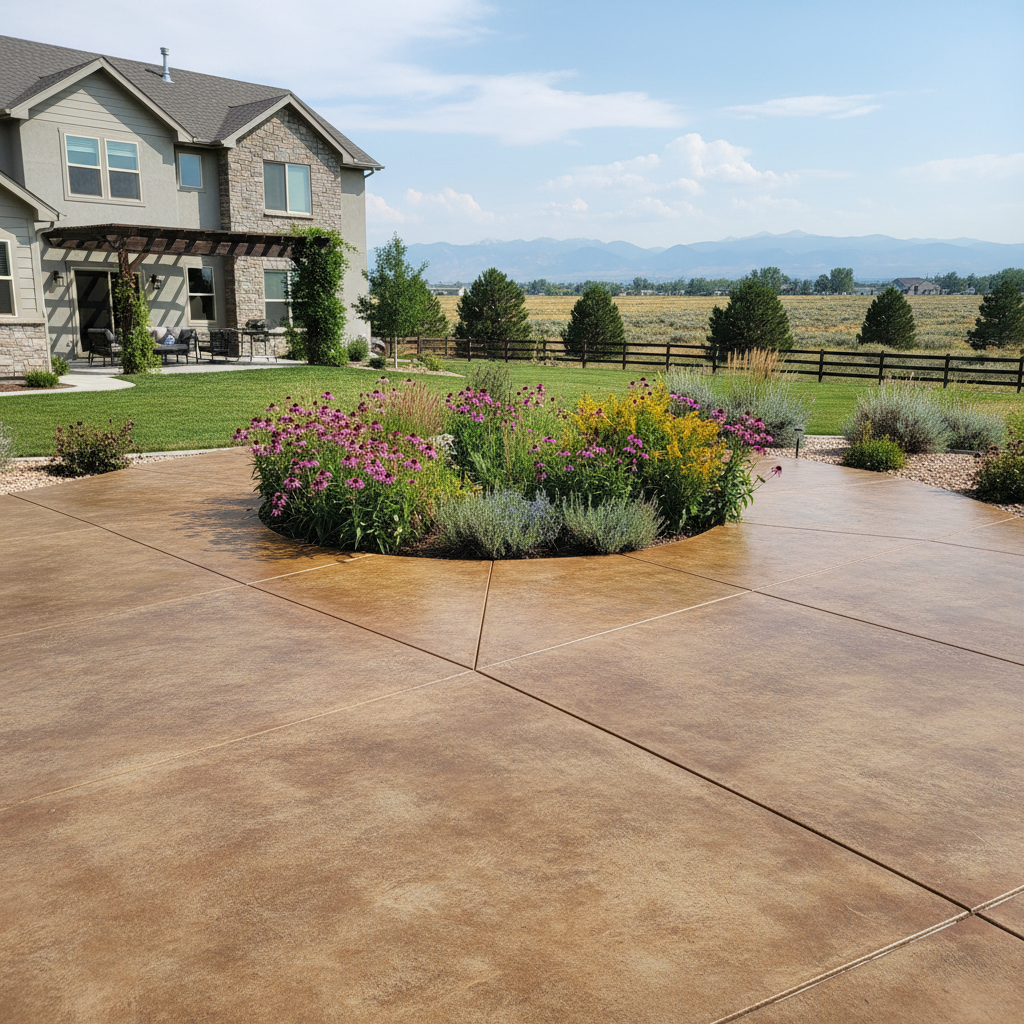
So, you've got some gorgeous stained concrete, maybe it's your patio, your basement floor, or even a pathway. It looks fantastic, right? That rich color and unique finish really elevate a space. But here's the deal: to keep it looking that good, you can't just set it and forget it. Especially here in Aurora, our climate throws a lot at concrete. We get those scorching summer days, brutal freeze-thaw cycles in winter, and everything in between. All that weather can be tough on any surface, and stained concrete is no exception. A little bit of smart maintenance goes a long way in protecting your investment and keeping that stain vibrant for years.
Think of it like taking care of your car. You wouldn't skip oil changes and expect it to run forever, would you? Same principle applies here. Regular care isn't just about aesthetics; it's about extending the life of the sealer and the concrete itself, preventing bigger, more expensive problems down the road.
The Regular Routine: What to Do and How Often
Keeping your stained concrete in top shape isn't rocket science, but it does require some consistency. Here's what I tell my clients:
- Clean it regularly: For interior stained concrete, a simple dust mop or soft broom is usually enough. For spills, wipe them up quickly. For exterior surfaces, especially a patio that sees a lot of foot traffic or collects leaves, sweep it off weekly. A good rinse with a garden hose and a mild, pH-neutral cleaner (nothing harsh like bleach or ammonia) can be done monthly or quarterly, depending on how dirty it gets. Just make sure to rinse thoroughly to avoid leaving any residue.
- Re-seal when needed: This is probably the most crucial step. The sealer is what protects the stain and the concrete from wear, UV rays, and moisture. For exterior concrete, you're generally looking at re-sealing every 1-3 years. Interior floors might go 3-5 years, maybe even longer if they don't get a lot of abuse. How do you know it's time? Pour a little water on the surface. If it beads up nicely, your sealer is still doing its job. If it soaks in and darkens the concrete, it's time to re-seal. Don't wait until it's completely gone, or you'll risk the stain fading and the concrete itself deteriorating.
- Protect from heavy impacts and chemicals: Try to avoid dragging heavy furniture across interior floors without protection. Outside, be mindful of things like oil spills from cars or harsh de-icers in the winter. Those can really eat away at the sealer and even the concrete. If you've got a stained driveway, consider using sand for traction instead of salt-based de-icers.
Warning Signs: When to Pay Closer Attention
Your concrete will usually give you clues when something's not quite right. Don't ignore these signals:
- Fading or dullness: If that vibrant color starts looking washed out, especially in high-traffic areas or spots exposed to direct sunlight, your sealer is likely failing, and the stain itself is taking a beating.
- Peeling or flaking sealer: This is a clear sign the sealer has reached the end of its life or wasn't applied correctly initially. You'll see bits of the clear coat lifting off the surface.
- Cracks or chips: Small hairline cracks are pretty common in concrete, especially with our expansive clay soils around places like Saddle Rock. But if you see larger cracks, or chips appearing, that's a structural issue with the concrete itself, not just the stain or sealer.
- White powdery residue (efflorescence): This is mineral salts coming up through the concrete. It's usually a sign of moisture moving through the slab. While not directly damaging to the stain, it can make it look hazy and indicates a moisture problem that needs addressing.
- Water soaking in: As I mentioned before, if water isn't beading on the surface, your sealer is gone, and the concrete is vulnerable.
When to Call a Pro (Like Coastal Concrete Solutions)
Look, a lot of the routine maintenance you can handle yourself. Sweeping, mopping, even a light cleaning. But there are times when it's just smarter, and safer, to bring in the experts. Here's when I'd say pick up the phone:
- Major re-sealing: If your exterior concrete hasn't been sealed in years, or if the old sealer is peeling badly, it might need more than just a fresh coat. Sometimes the old sealer needs to be stripped off completely before a new one can be applied properly. That's a job that requires specific equipment and know-how to avoid damaging the stain or concrete.
- Significant fading or uneven color: If your stain has faded dramatically or looks blotchy, it might be possible to re-tint or re-stain sections, but that takes a skilled hand to blend it seamlessly.
- Cracks or structural damage: If you've got big cracks, uneven sections, or spalling (where the surface is flaking off), that's a concrete repair job, not just maintenance. We can assess the damage and recommend the best course of action, whether it's crack repair, patching, or even a complete resurface.
- Persistent efflorescence or moisture issues: If you're constantly battling that white powdery stuff, or if you suspect a deeper moisture problem under your slab, a professional can help diagnose the source and suggest solutions to mitigate it.
- You're just not comfortable: If you're unsure about the right products, the application process, or simply don't have the time, that's perfectly fine. We do this every day. It's what we're good at.
Taking care of your stained concrete isn't a huge burden, but it's essential for keeping it looking its best and extending its life. A little bit of effort now saves you a lot of headache and money later. If you've got questions or need a hand with any of these issues, don't hesitate to reach out to us at Coastal Concrete Solutions. We're here to help Aurora homeowners keep their concrete beautiful.