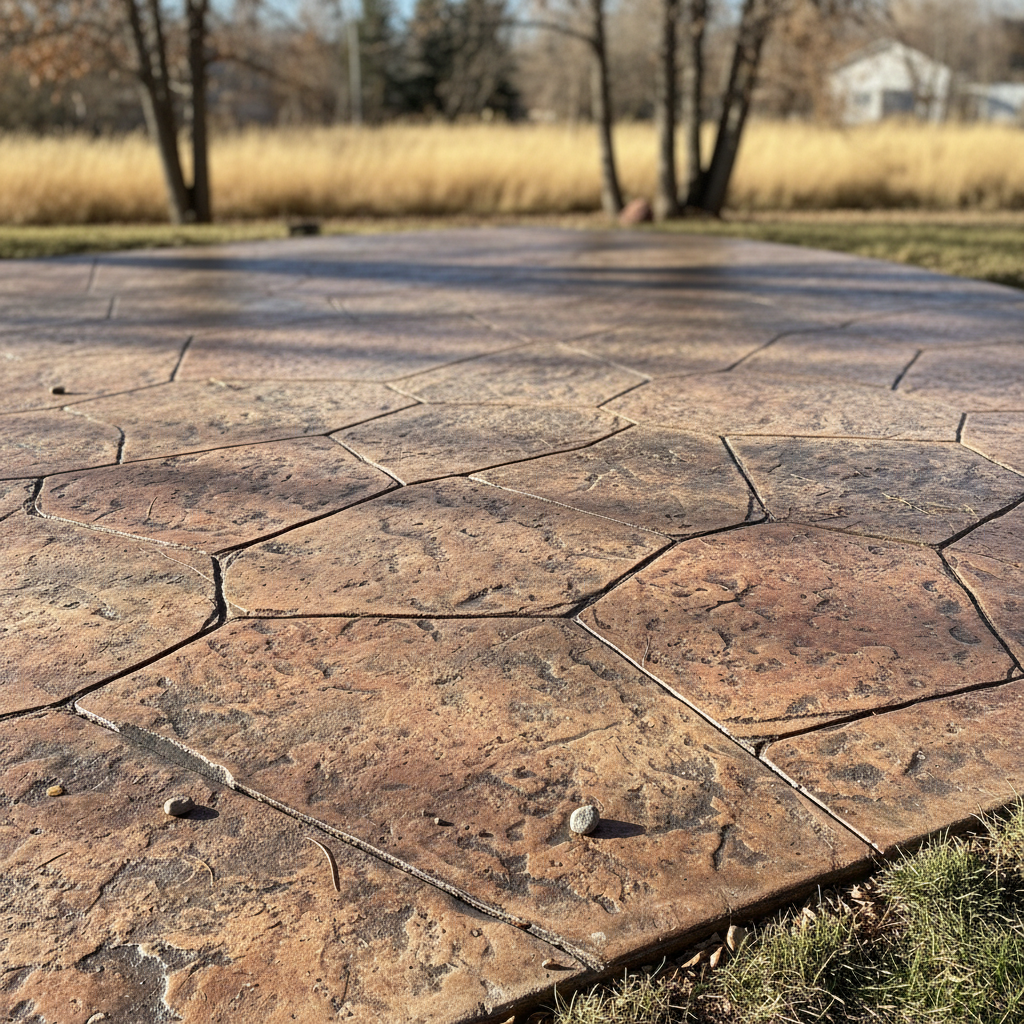
So, you're looking at decorative concrete for your place in Aurora. Maybe you've seen some cool stamped patios, stained floors, or polished driveways and thought, "Hey, I want that." It's a great choice, really. Decorative concrete can totally transform a space, adding curb appeal and value. But before you dive in, you need to understand what you're getting into. It's not all just pouring and hoping for the best.
Before You Start: Planning & Expectations
First things first: what kind of look are you going for? "Decorative concrete" is a pretty broad term. It could mean stamped concrete that mimics stone or brick, acid-stained floors with a unique marbling effect, colored concrete that's integrated into the mix, or even polished concrete for a sleek, modern vibe. Each of these has different requirements, costs, and skill levels.
Think about where this concrete is going. Is it an outdoor patio, a driveway, an indoor floor, or a walkway? The location matters a lot for durability, slip resistance, and maintenance. For instance, an outdoor patio in Aurora needs to stand up to our crazy freeze-thaw cycles, especially with the expansive clay soils we often deal with. You don't want your beautiful new patio cracking and heaving after one winter.
Budget is obviously a big one. Decorative concrete isn't always cheap, but it's often more cost-effective and durable than other materials like pavers or natural stone over the long haul. Get a clear idea of what you're willing to spend. This will help you narrow down your options and decide if you're going DIY or bringing in a pro.
What You Can (Maybe) DIY
Alright, let's talk about what a homeowner can realistically do themselves. I'm all for saving a buck and getting your hands dirty, but some things are just better left to the experts.
- Basic Concrete Sealing: If you already have decorative concrete that's just looking a little dull, cleaning and re-sealing it is definitely something you can do. It's like waxing your car. You'll need a good cleaner, a pressure washer (careful with the pressure on older concrete), and the right sealer. Follow the manufacturer's instructions to the letter. This is crucial for protecting your investment from our harsh Colorado sun and winter weather.
- Simple Concrete Staining (Small Areas): For a small, non-critical area like a shed floor or a small utility pad, you might be able to try a basic concrete stain. These are usually water-based and a bit more forgiving than acid stains. Prep is key here: clean the surface thoroughly, make sure it's dry, and apply evenly. Practice on a scrap piece first if you can.
- Concrete Overlays (Very Small, Non-Structural): Some thin concrete overlays or micro-toppings can be applied by a DIYer, but I'd only recommend this for very small, non-structural areas like a small accent wall or a countertop that's already structurally sound. These require precise mixing and quick, even application. It's easy to mess up and end up with an uneven or peeling finish.
The common thread for DIY success? Small scale, non-structural, and meticulous prep work. If you're not confident you can do it perfectly, don't risk it.
When to Call a Professional (Most of the Time)
Look, I'm a contractor. I've seen a lot of DIY projects go sideways. For most decorative concrete work, especially anything substantial or visible, you really want to call in someone who knows what they're doing. Here's why:
- New Pours & Stamped Concrete: Pouring concrete isn't just about mixing bags and spreading it out. You need to get the sub-base right, set forms accurately, ensure proper drainage, and then there's the actual pouring, leveling, floating, and finishing. Stamped concrete adds another layer of complexity with timing the stamping process perfectly, applying release agents, and then sealing it all. If the timing is off by even a few minutes, the pattern won't take, or it'll look sloppy. That's a huge investment to risk on a first-time attempt.
- Acid Staining & Complex Coloring: Acid staining reacts with the minerals in the concrete, creating unique, variegated patterns. It's not like paint; you can't just cover up a mistake. Getting an even, desirable color requires experience and an understanding of how different concrete mixes will react. Custom colors, multiple colors, or intricate patterns? Definitely pro territory.
- Polished Concrete: This is a highly specialized skill. It involves grinding the concrete surface with progressively finer diamond abrasives, often using heavy, specialized equipment. Then densifiers are applied, and it's polished to a high sheen. It's dusty, labor-intensive, and requires expensive machinery that most homeowners don't have access to.
- Any Structural or Large-Scale Project: Driveways, large patios, foundations, retaining walls – if it's big, load-bearing, or critical to your home's integrity, don't DIY. Improper installation can lead to cracking, settling, drainage issues, and expensive repairs down the line. We, at Coastal Concrete Solutions, deal with these issues all the time, and it's almost always cheaper to do it right the first time.
After the Project: Maintenance Matters
Whether you DIYed a small section or hired Coastal Concrete Solutions for a full-blown stamped patio, maintenance is key to making it last. Decorative concrete isn't maintenance-free, but it's usually pretty low maintenance.
- Regular Cleaning: Sweep or hose off your concrete regularly to prevent dirt and grime buildup. For tougher spots, a mild detergent and a brush usually do the trick.
- Re-sealing: This is probably the most important step for outdoor decorative concrete, especially in Aurora. Sealers protect against stains, abrasion, and those freeze-thaw cycles. Depending on the sealer type and traffic, you'll likely need to re-seal every 1-5 years. You'll know it's time when water no longer beads up on the surface.
- Avoid Harsh Chemicals: Don't use harsh acids or abrasive cleaners unless specifically recommended for your type of concrete and sealer. They can damage the finish.
- Protect from Heavy Loads: For driveways, try to avoid parking heavy machinery or vehicles with studded tires if possible, as these can wear down the surface over time.
Decorative concrete is a fantastic investment in your home. Just make sure you're realistic about what you can handle and when it's time to call in the pros. A little planning and the right approach will ensure you get a beautiful, long-lasting result you'll love.