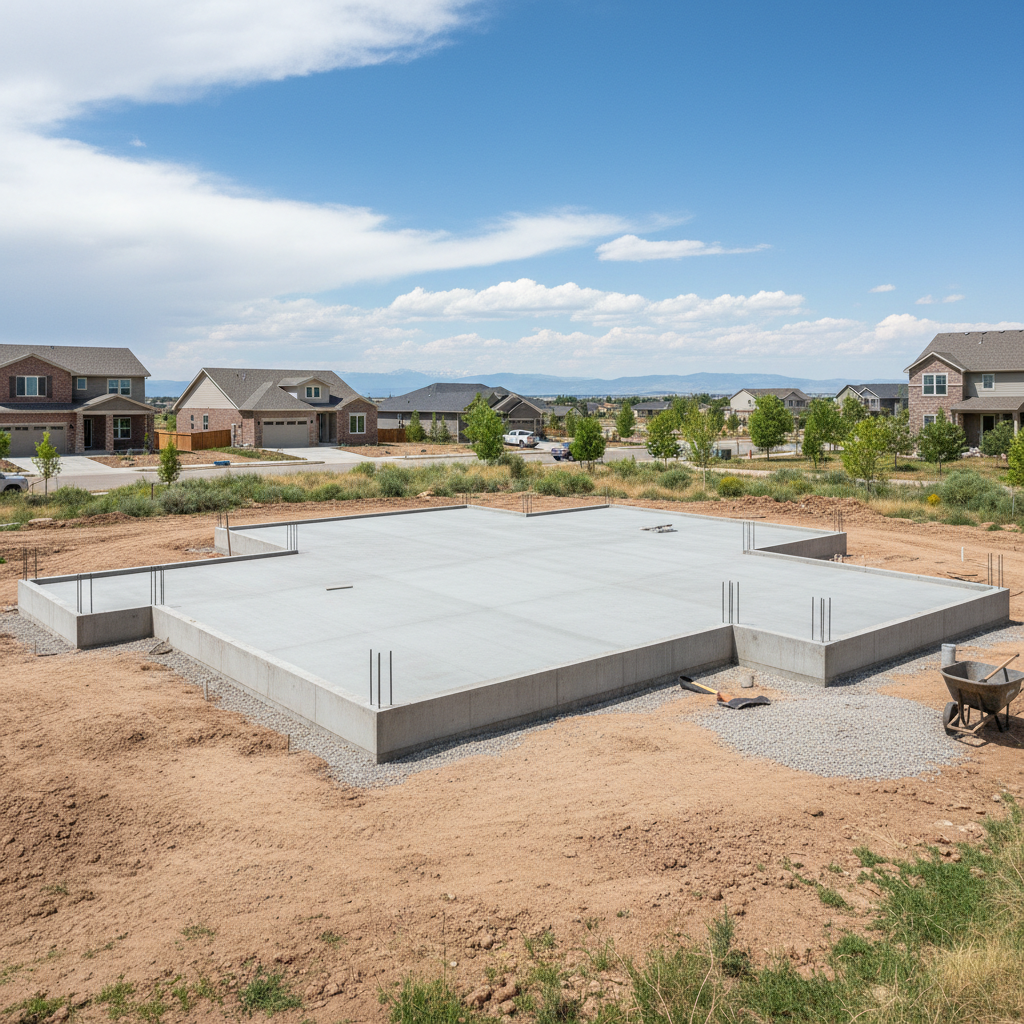
Your Foundation: The Unsung Hero of Your Aurora Home
Let's be honest, nobody really gets excited about their concrete foundation. It's not a fancy patio, is it? Or some cool stained floor. But I'll tell you what, it's the most important part of your house. It's what holds everything else up, and here in Aurora, with our unique soil and weather, that's a bigger deal than you might think.
I've been working with concrete foundations for years now, seen all sorts of issues, and helped countless homeowners in neighborhoods from Stapleton to Southlands. When you're talking about the very base of your home, you just can't cut corners. And you certainly can't go with someone who doesn't truly understand our local conditions.
Why Aurora's Ground Changes Everything for Foundations
You might figure concrete is concrete, right? Pour it, let it dry, and you're good to go. Not so fast, especially around here. Our soil in Aurora — particularly those clay-rich types you find in older areas like Hoffman Heights, or newer developments built on reclaimed farmland — is infamous for being expansive. What does that mean? Well, it swells up when it gets wet and shrinks when it dries out. This constant movement puts a huge amount of stress on your foundation.
Just think about our Colorado weather. We get those long, dry spells, then out of nowhere, heavy downpours or big snowmelts. That's a perfect recipe for soil expansion and contraction. If your foundation wasn't designed and poured with this in mind, you're setting yourself up for trouble down the road – cracks, settling, even structural problems. It's not just about the concrete mix, you know? It's about proper drainage, grading, and sometimes, specific soil preparation techniques that account for all this movement.
Common Foundation Projects We Tackle in Aurora
So, what kind of foundation work do Aurora homeowners typically need? It's a mix, but a few things pop up regularly:
- New Home Foundations: If you're building a new house, getting the foundation right from day one is critical. This involves everything from excavation and proper compaction to pouring the slab or footings and walls. We're talking about making sure it can handle our expansive soils and our freeze-thaw cycles without a hitch.
- Additions and Garages: Expanding your home or adding a detached garage? You'll need a new foundation that ties into your existing structure (if it applies) or stands strong on its own. It's not just about adding square footage; it's about adding stable square footage.
- Foundation Repair Prep: Sometimes, I get called in to pour a new section of a foundation after a structural engineer has identified a problem. This isn't just a patch job; it's about reinforcing or replacing compromised sections to restore integrity. We're often working with existing homes, so precision and minimal disruption are key.
- Basement Foundations: Many homes in Aurora have basements, which means we're dealing with deeper foundations and often more complex waterproofing considerations. Pouring basement walls correctly is crucial for keeping your lower level dry and structurally sound.
Each of these projects has its own challenges, but they all share one thing: the need for a solid, well-done concrete pour that can stand the test of time and our local conditions.
Why Local Expertise Isn't Just a Buzzword
You might find a contractor who offers a super low bid, but do they actually know Aurora? Do they understand the specific soil reports for different parts of the city? Do they know how our winter freezes and summer droughts affect concrete curing and long-term stability?
When you hire a local company like Coastal Concrete Solutions, you're not just getting guys who can mix and pour. You're getting people who live and work here, who understand the nuances of Aurora's geology and climate. We know what kind of rebar is needed for our expansive soils, what concrete mix will hold up best, and the proper curing techniques for our altitude and temperature swings.
It means we can anticipate problems before they even start. We're familiar with local building codes and inspectors. We've got relationships with local suppliers, making sure we get quality materials on time. This isn't just about convenience; it's about protecting your biggest investment. Your home is a huge investment, and its foundation is literally the bedrock of that investment. Don't trust it to anyone who doesn't truly understand the ground it's built on.