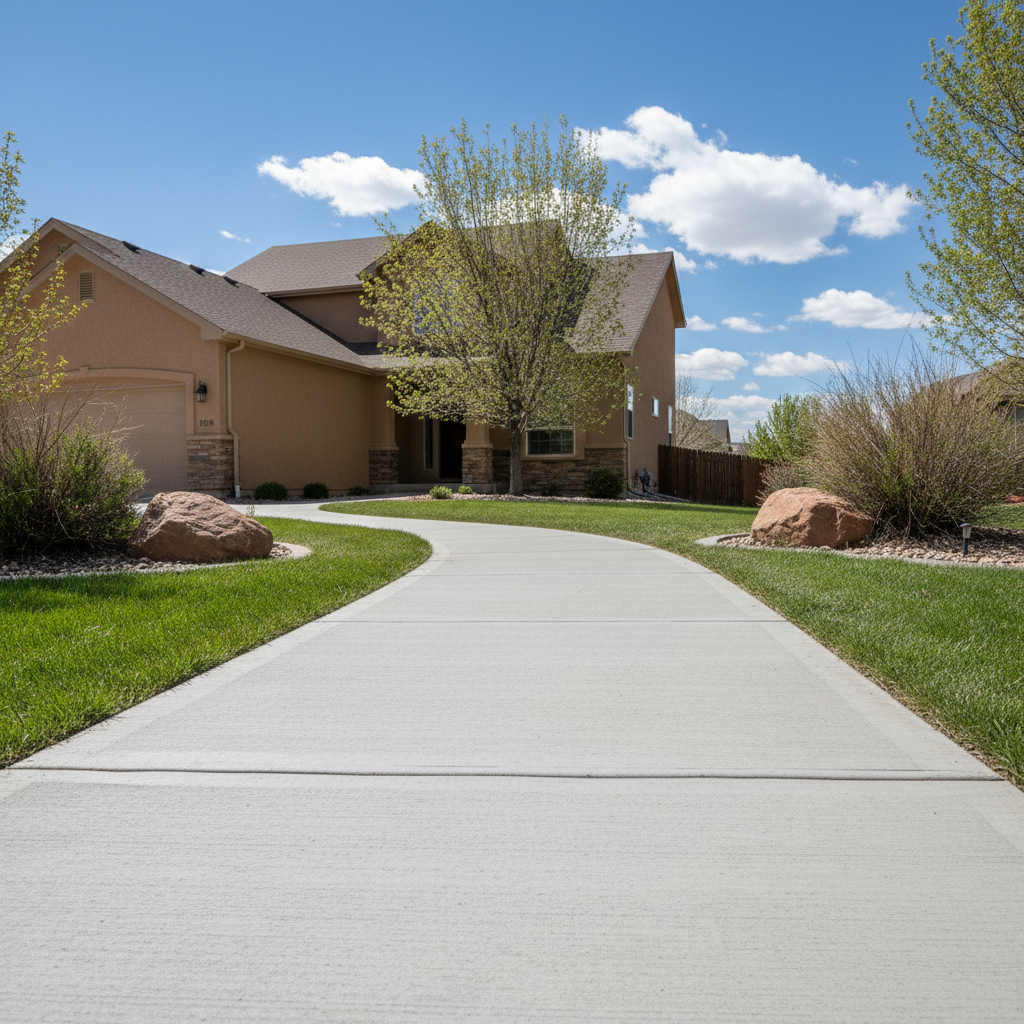
You've got concrete sidewalks on your property, right? Most folks do. And if you're like me, you want them to last a good long time without turning into a cracked, uneven mess. Here in Aurora, our climate can be brutal on concrete, so a little know-how goes a long way. I've seen firsthand what neglect does, and trust me, it's always more expensive to fix a major problem than to prevent it.
Extending Your Sidewalk's Lifespan
The biggest thing you can do to make your concrete last is protect it from water and freeze-thaw cycles. That's the real killer out here. We get those wild temperature swings, sometimes 40 degrees in a day, which means water seeps into tiny cracks, freezes, expands, and then thaws, leaving bigger cracks. It's a vicious cycle.
- Seal it up: I can't stress this enough. A good quality concrete sealer is your best friend. It creates a barrier that repels water and makes it harder for de-icing salts to penetrate. You should be resealing every 2-3 years, maybe more often if it's a high-traffic area or gets a lot of sun exposure. Think of it like sunscreen for your concrete.
- Mind the drainage: Make sure water isn't pooling on or near your sidewalks. If your downspouts are dumping water right onto the concrete, extend them. If you've got low spots where water collects, that's a prime candidate for freeze-thaw damage. Sometimes it's as simple as grading the soil away from the slab.
- Don't overload it: Concrete is strong, but it has limits. Don't park heavy vehicles on your sidewalks if they weren't designed for it. That constant, excessive weight will lead to cracking and settling over time.
Regular Maintenance: What You Need to Do
This isn't rocket science, but it does take a little consistent effort. Mostly, it's about keeping things clean and clear.
- Sweep and clean: Regularly sweep off dirt, leaves, and debris. This prevents organic matter from breaking down and staining the surface, and also keeps standing water from getting trapped. For tougher grime, a pressure washer on a low setting (or a good scrub brush) with a mild detergent works wonders. Just be careful with high pressure; you don't want to etch the surface or blast away the aggregate.
- Weed control: Weeds and grass love to sprout up in cracks. Not only do they look bad, but their roots can actually widen those cracks, making things worse. Pull them out by hand or use a weed killer. Then, consider filling those cracks.
- Crack filling: For small, non-structural cracks (think hairline or up to about a quarter-inch wide), a good quality exterior concrete caulk or crack filler can prevent water from getting in. Clean the crack thoroughly before applying. This is a temporary fix for minor issues, not a solution for major structural problems.
- Snow and ice removal: This is a big one for us in Aurora. Use a plastic shovel, not a metal one, to avoid scraping the concrete. When it comes to de-icers, be smart. Calcium chloride is generally less damaging to concrete than rock salt (sodium chloride). Better yet, use sand for traction or look for pet-friendly, concrete-safe options. Excessive salt use will degrade your concrete's surface over time.
Warning Signs: When to Pay Attention
Your sidewalk will tell you when it's hurting. You just need to know what to look for.
- Hairline cracks turning into wider cracks: Those tiny lines are often the first sign. If they start getting wider, or you can feel them with your foot, it's time to investigate.
- Spalling or flaking: This is when the surface of the concrete starts to chip, peel, or flake off. It often looks like the top layer is coming apart. This is usually due to freeze-thaw cycles and/or improper finishing or too much water in the mix when it was poured. It's a sign the concrete's integrity is compromised.
- Uneven sections or tripping hazards: If one slab is higher or lower than the one next to it, that's a problem. This is often caused by soil settlement underneath, tree roots, or erosion. It's not just an eyesore; it's a safety hazard. I've seen countless trips and falls from uneven sidewalks, especially in older neighborhoods like those around Lowry or Stapleton where tree roots can really go to town.
- Pitting: Small, shallow holes on the surface. This can be from de-icing salts, poor quality concrete, or aggregate popping out.
- Discoloration or persistent staining: While not always structural, it can indicate water pooling or other issues that might lead to damage down the road.
When to Call a Professional
Look, some things you can handle yourself, but there are definitely times when you need to bring in the pros. Don't wait until it's a full-blown disaster.
- Major cracking: If you've got cracks that are wider than a quarter-inch, or if they run across multiple sections, it's probably more than just a surface issue. These can indicate structural problems or significant settlement.
- Significant unevenness: If a section of your sidewalk has dropped or lifted by an inch or more, that's a serious tripping hazard and likely requires professional intervention. We can often lift and level these sections using techniques like mudjacking or polyjacking, which is a lot less disruptive and costly than tearing out and repouring.
- Extensive spalling or pitting: If large areas of your concrete are flaking apart, the surface is compromised. While you might be able to patch small spots, widespread damage usually means it's time for a professional assessment, and potentially a full replacement of that section.
- Drainage issues causing damage: If you can't figure out why water is pooling or eroding under your sidewalk, a professional can help diagnose and recommend solutions, whether it's regrading, installing a French drain, or adjusting downspouts.
- Tree root intrusion: If tree roots are lifting your sidewalk, you'll need a plan that addresses both the roots and the concrete. Sometimes root barriers can be installed, but it's a delicate balance to protect the tree and your concrete.
Keeping your Aurora sidewalks in good shape isn't just about curb appeal; it's about safety and protecting your property value. A little proactive maintenance now can save you a ton of headaches and money later. If you're seeing any of those warning signs and you're not sure what to do, don't hesitate to give us a call at Coastal Concrete Solutions. We're here to help you figure out the best way forward.